Summary

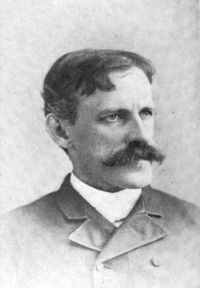
Portrait of William Elliot Griffis William Elliot Griffis The Story of New Netherland — Chapter XXI: Dorp and its Story (1909)

The right to bolt flour and to trade in furs was denied the Dorpians, and many a time did the sheriff come up from Albany to search houses and keep money in the pockets of patroon and Company. The bolting of flour was Manhattan’s monopoly, to the bloating in wealth of men already rich, and to the inconvenience and impoverishing of the villagers who could have only meal. It is significant that on the city seal of Schenectady is a sheaf of wheat, while on that of New York City are windmill sails and barrels of flour.
Source: Wikisource

Portrait of William Elliot Griffis William Elliot Griffis The Story of New Netherland — Chapter XXI: Dorp and its Story (1909)

These free farmers were never in favor either with the aristocratic manor folks at Albany, or with “John Company’s” servants at Manhattan, or with the Court party that fawned on the English governors or fattened with the land speculators from Great Britain. Very much as the rich Puritans of the Massachusetts Bay at first looked down on the Pilgrims at Plymouth — as Anabaptists, poor relations, and as too democratic, even to boorishness — was the southern view of the frontier villagers on the Mohawk.
Source: Wikisource

Portrait of William Elliot Griffis William Elliot Griffis The Story of New Netherland — Chapter XXI: Dorp and its Story (1909)

Dutch churches have ever been guardians of the poor, the orphan, the aged, and of all who were without natural protectors. No country on earth excelled Patria in wisely and beneficently organized charity, and what the people were and did in Patria was but slightly changed in New Netherland. By the faithful work of the churches, as administered by the deacons and the family organization, many of the modern miscellaneous charities were rendered unnecessary.
Source: Wikisource

Get perspective with Kwize: daily news enlightened by great literature