Summary

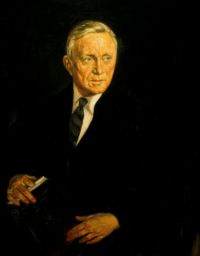
Portrait of William O. Douglas William O. Douglas International Union v. Wisconsin Employment Relations Board…

Section 7 read in conjunction with § 13 must mean that one of the 'concerted activities' in which employees may engage is to strike in these interstate industries. In all of labor's history no 'concerted activity' has been more conspicuous and important than the strike; and none was thought to be more essential to recognition of the right to collective bargaining. Moreover, the strike historically and in the present cases was used to make effective the collectiv bargaining power which § 7 of the Wagner Act guarantees.
Source: Wikisource

Portrait of William O. Douglas William O. Douglas International Union v. Wisconsin Employment Relations Board…

Remington Rand, Inc., 2 Cir., 94 F.2d 862, 871, that a strike because of an employer's refusal to negotiate was protected by § 13, and employees so engaged could recover their positions even at the expense of workers hired to replace them during the strike.↑ Article VI, Clause 2 of the Constitution.↑ Although this litigation is controlled by the Wagner Act, there is nothing in the Labor Management Relations Act of 1947 that suggests that Congress wished to withdraw its protection from the right to strike except to the extent specially provided by the amendments to the Act.
Source: Wikisource

Get perspective with Kwize: daily news enlightened by great literature