Summary

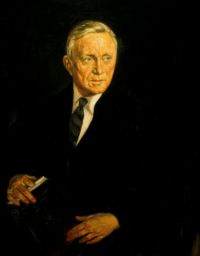
Portrait of William O. Douglas William O. Douglas Irvine v. California — Dissent

Only by exclusion can we impress upon the zealous prosecutor that violation of the Constitution will do him no good. And only when that point is driven home can the prosecutor be expected to emphasize the importance of observing constitutional demands in his instructions to the police.'
Exclusion of evidence is indeed the only effective sanction. If the evidence can be used, no matter how lawless the search, the protection of the Fourth Amendment, to use the words of the Court in the Weeks case, 'might as well be stricken from the Constitution.' 232 U.S., at page 393, 34 S.Ct.
Source: Wikisource

Portrait of William O. Douglas William O. Douglas Irvine v. California — Dissent

If unreasonable searches and seizures that violate the privacy which the Fourth Amendment protects are to be outlawed, this is the time and the occasion to do it. If police officers know that evidence obtained by their unlawful acts cannot be used in the courts, they will clean their own houses and put an end to this kind of action. But as long as courts will receive the evidence, the police will act lawlessly and the rights of the individual will suffer. We should throw our weight on the side of the citizen and against the lawless police.
Source: Wikisource

Portrait of William O. Douglas William O. Douglas Irvine v. California — Dissent

I protest against this use of unconstitutional evidence. It is no answer that the man is doubtless guilty. The Bill of Rights was designed to protect every accused against practices of the police which history showed were oppressive of liberty. The guarantee against unreasonable searches and seizures contained in the Fourth Amendment was one of those safeguards. In 1914 a unanimous Court decided that officers who obtained evidence in violation of that guarantee could not use it in prosecutions in the federal courts.
Source: Wikisource

Get perspective with Kwize: daily news enlightened by great literature