Summary

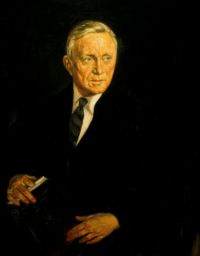
Portrait of William O. Douglas William O. Douglas Miller Music Corporation v. Charles N. Daniels…

True, these are disparate interests. Yet Congress saw fit to treat them alike. It seems clear to us, for example, that by the force of § 24, if Black had died intestate, his next of kin would take as against the assignee of the renewal right. Congress in its wisdom expressed a preference for that group against the world, if the author, the widow, the widower, or children are not living. By § 24 his executors are placed in the same preferred position, unless we refashion § 24 to suit other policy considerations. Of course an executor usually takes in a representative capacity.
Source: Wikisource

Portrait of William O. Douglas William O. Douglas Miller Music Corporation v. Charles N. Daniels…

Until that time arrives, assignees of renewal rights take the risk that the rights acquired may never vest in their assignors. A purchaser of such an interest is deprived of nothing. Like all purchasers of contingent interests, he takes subject to the possibility that the contingency may not occur. For example, an assignment from an author and his wife will be ineffective, if on his death another woman is the widow.
Source: Wikisource

Portrait of William O. Douglas William O. Douglas Miller Music Corporation v. Charles N. Daniels…

For it would indeed be anomalous to say that an author could convey for a consideration during his lifetime what he is not permitted to bequeath at death. Hence I agree that the provision for a 'compulsory bequest,' ibid., to the author's widow and children should be held to bar effective assignment of renewal rights as against them.
Source: Wikisource

Get perspective with Kwize: daily news enlightened by great literature