Summary

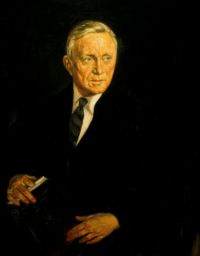
Portrait of William O. Douglas William O. Douglas Nye Nissen v. United States — Opinion of the Court

In order to aid and abet another to commit a crime it is necessary that a defendant 'in some sort associate himself with the venture, that he participate in it as in something that he wishes to bring about, that he seek by his action to make it succeed.' L.Hand, J., in United States v. Peoni, 2 Cir., 100 F.2d 401, 402.
There is no direct evidence tying Moncharsh to the six false invoices involved in the substantive counts. Yet there is circumstantial evidence wholly adequate to support the finding of the jury that Moncharsh aided and abetted in the commission of those offenses.
Source: Wikisource

Portrait of William O. Douglas William O. Douglas Nye Nissen v. United States — Opinion of the Court

The rule of that case does service where the conspiracy was one to commit offenses of the character described in the substantive counts. Aiding and abetting has a broader application. It makes a defendant a principal when he consciously shares in any criminal act whether or not there is a conspiracy. And if a conspiracy is also charged, it makes no difference so far as aiding and abetting is concerned whether the substantive offense is done pursuant to the conspiracy.
Source: Wikisource

Get perspective with Kwize: daily news enlightened by great literature