Summary

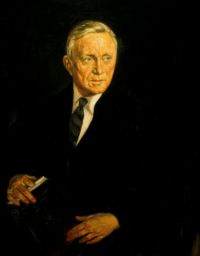
Portrait of William O. Douglas William O. Douglas Saia v. New York — Opinion of the Court

Any abuses which loud-speakers create can be controlled by narrowly drawn statutes. When a city allows an official to ban them in his uncontrolled discretion, it sanctions a device for suppression of free communication of ideas. In this case a permit is denied because some persons were said to have found the sound annoying. In the next one a permit may be denied because some people find the ideas annoying. Annoyance at ideas can be cloaked in annoyance at sound. The power of censorship inherent in this type of ordinance reveals its vice.
Source: Wikisource

Portrait of William O. Douglas William O. Douglas Saia v. New York — Opinion of the Court

The present ordinance would be a dangerous weapon if it were allowed to get a hold on our public life. Noise can be regulated by regulating decibels. The hours and place of public discussion can be controlled. But to allow the police to bar the use of loud-speakers because their use can be abused is like barring radio receivers because they too make a noise. The police need not be given the power to deny a man the use of his radio in order to protect a neighbor against sleepless nights The same is true here.
Source: Wikisource

Portrait of William O. Douglas William O. Douglas Saia v. New York — Opinion of the Court

Wherever the title of streets and parks may rest, they have immemorially been held in trust for the use of the public and, time out of mind, have been used for purposes of assembly, communicating thoughts between citizens, and discussing public questions. Such use of the streets and public places has, from ancient times, beena part of the privileges, immunities, rights, and liberties of citizens. The privilege of a citizen of the United States to use the streets and parks for communication of views on national questions may be regulated in the interest of all
Source: Wikisource

Get perspective with Kwize: daily news enlightened by great literature