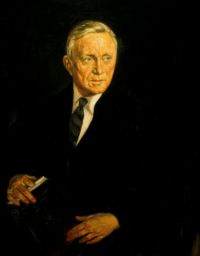
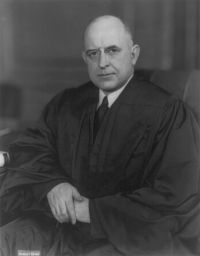
Freedom of speech, the right to voice opinions without fear of censorship or retribution, is a cornerstone of democratic societies and human rights frameworks. From ancient Athenian democracy to modern legal protections such as the Universal Declaration of Human Rights, it has been both celebrated and debated. Authors such as Thomas Gordon emphasized its role as a "bulwark of liberty," while Benjamin Franklin associated it with wisdom and public freedom.
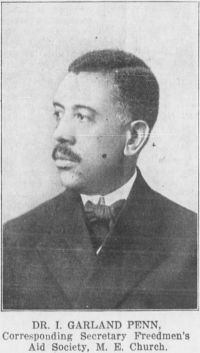
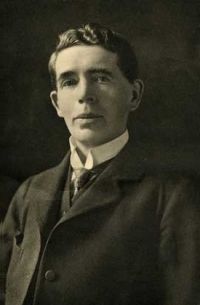
John Alberger highlighted its transformative influence on justice, and Harvey O'Higgins acknowledged its boundaries, noting it is "the limited freedom to say what you please and print what you please." Meanwhile, Irvine Garland Penn described it as a "precious privilege" requiring responsible use. These viewpoints collectively underscore freedom of speech as both a shield for individual liberty and a responsibility to society, balancing expression with accountability.