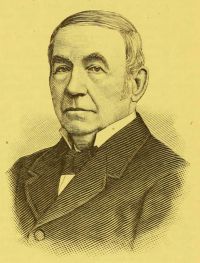
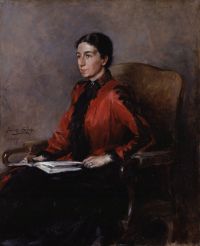
Birthright denotes an inherent right or privilege linked to one’s birth, often involving inheritance, status, or moral claims. Authors have examined this theme from diverse angles: Joseph Hocking views it as a spiritual obligation, highlighting purity of heart, while P. T. Barnum mocks the pain of losing one’s “birthright,” comparing it to a “stray canary-bird.
” James Baldwin Brown reinterprets it as a sacred legacy of effort and belief, distinguishing it from material inheritances. Francis Galton champions the right to ancestral knowledge, portraying it as an innate entitlement. These viewpoints illustrate birthright as both a legal legacy and a moral or existential necessity, underscoring its lasting significance in literature and philosophy.