Summary

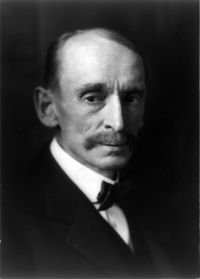
Portrait of William R. Day William R. Day Eliot v. Freeman — Opinion of the Court

Entertaining the view that it was the intention of Congress to embrace within the corporation tax statute only such corporations and joint stock associations as are organized under some statute, or derive from that source some quality, or benefit not existing at the common law, we are of opinion that the real estate trusts involved in these two cases are not within the terms of the act.
Source: Wikisource

Portrait of William R. Day William R. Day Eliot v. Freeman — Opinion of the Court

The legal representatives of a shareholder are to succeed to the interest of a shareholder, the interest passing by operation of law. Provision is made for the termination of the trust by an instrument or instruments in writing, signed by not less than three fourths of the value of stock held by shareholders. Meetings of the shareholders are held at their discretion, or whenever requested in writing by five shareholders, or by shareholders owning not less than one tenth of the shares in value.
The trust has a building, leasing it to a single tenant.
Source: Wikisource

Portrait of William R. Day William R. Day Eliot v. Freeman — Opinion of the Court

The land and buildings are leased to one tenant for a period of thirty years. The trust had transferable certificates issued to shareholders at the par value of $100 each. The trustees conduct the affairs of the trust, manage the property, and pay dividends when declared. The shareholders meet annually, and a majority of them have the power to elect and depose trustees, and to alter and amend the terms of the trust agreement. This trust also continues for certain lives in being and for twenty years thereafter.
Source: Wikisource

Get perspective with Kwize: daily news enlightened by great literature