Summary

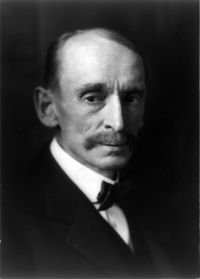
Portrait of William R. Day William R. Day Henkel v. United States — Opinion of the Court

Upon the approval of the allotments by the Secretary of the Interior, patents were to issue therefor, in the name of the allottees, which patents should declare that the United States would hold the lands thus allotted for the period of twenty-five years, in trust for the sole use and benefit of the Indians to whom allotted, and that conveyances of land set apart and allotted as provided in the statute, or any contract concerning the same, before the expiration of the time above mentioned, should be null and void.
Source: Wikisource

Portrait of William R. Day William R. Day Henkel v. United States — Opinion of the Court

Recognizing the injustice of arbitrary appropriations to other uses, no effort has been made to take these lands without compensation to the Indians for the improvements which they have made, and they have been given the right to select other lands in place of those released. The reclamation projects undertaken by the government are very extensive and cover many states
Source: Wikisource

Portrait of William R. Day William R. Day Henkel v. United States — Opinion of the Court

Nevertheless, they would have a strong equity for recognition, in view of their settlement upon the land and construction of improvements thereon, and but for the relinquishment relied upon in this case, they might perfect their right to the allotment. It is to be noted, however, that this agreement, in article VLL., contains an important recognition of a reserved right of the government to use the lands upon compensation being made therefor, for certain public improvements.
Source: Wikisource

Get perspective with Kwize: daily news enlightened by great literature