Summary

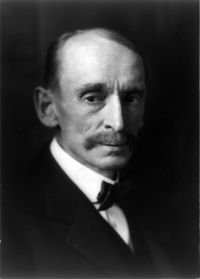
Portrait of William R. Day William R. Day Sligh v. Kirkwood — Opinion of the Court

That Congress has the exclusive power to regulate interstate commerce is beyond question, and when that authority is exerted by the state, even in the just exercise of the police power, it may not interfere with the supreme authority of Congress over the subject; while this is true, this court from the beginning has recognized that there may be legitimate action by the state in the matter of local regulation, which the state may take until Congress exercises its authority upon the subject.
Source: Wikisource

Portrait of William R. Day William R. Day Sligh v. Kirkwood — Opinion of the Court

Such articles, it has been declared by this court, are not the legitimate subject of trade or commerce, nor within the protection of the commerce clause of the Constitution. 'Such articles are not merchantable; they are not legitimate subjects of trade and commerce. They may be rightly outlawed as intrinsically and directly the immediate sources and causes of destruction to human health and life.
Source: Wikisource

Portrait of William R. Day William R. Day Sligh v. Kirkwood — Opinion of the Court

The limitations upon the police power are hard to define, and its far-reaching scope has been recognized in many decisions of this court. At an early day it was held to embrace every law or statute which concerns the whole or any part of the people, whether it related to their rights or duties, whether it respected them as men or citizens of the state, whether in their public or private relations, whether it related to the rights of persons or property of the public or any individual within the state.
Source: Wikisource

Get perspective with Kwize: daily news enlightened by great literature