Summary

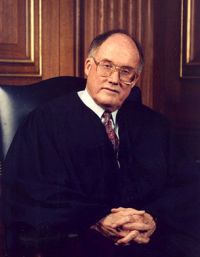
Portrait of William Rehnquist William Rehnquist Butterworth v. Smith — Opinion of the Court

But we do not believe those interests warrant a permanent ban on the disclosure by a witness of his own testimony once a grand jury has been discharged. Some of these interests are not served at all by the Florida ban on disclosure, and those that are served are not sufficient to sustain the statute.
When an investigation ends, there is no longer a need to keep information from the targeted individual in order to prevent his escape-that individual presumably will have been exonerated, on the one hand, or arrested or otherwise informed of the charges against him, on the other.
Source: Wikisource

Portrait of William Rehnquist William Rehnquist Butterworth v. Smith — Opinion of the Court

After giving his testimony, respondent believes he is no longer free to communicate this information since it relates to the "content, gist, or import" of his testimony. The ban extends not merely to the life of the grand jury but into the indefinite future. The potential for abuse of the Florida prohibition, through its employment as a device to silence those who know of unlawful conduct or irregularities on the part of public officials, is apparent.
Source: Wikisource

Portrait of William Rehnquist William Rehnquist Butterworth v. Smith — Opinion of the Court

Florida's interest in preventing the subornation of grand jury witnesses who will later testify at trial is served by the prohibition in question to this extent: if the accused is of a mind to suborn potential witnesses against him, he will have an additional opportunity to learn of the existence of such a witness if that witness chooses to make his grand jury testimony public.
Source: Wikisource

Get perspective with Kwize: daily news enlightened by great literature