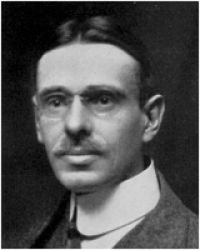
 William Tyler Olcott,
A Field Book of the Stars — The Motions of the Stars
(1911)
William Tyler Olcott,
A Field Book of the Stars — The Motions of the Stars
(1911)
“ In no way can the seeming movement of the stars be better understood than by actual observation. The observer must bear in mind that the movement is an apparent one: that it is the earth that is moving and not the stars. He has only to think of the analogy of the moving train beside the one that is standing still, and the true state of affairs will at once be evident. To further appreciate this apparent change in the situation of the constellations, the student should refer to the large plates successively. ”
