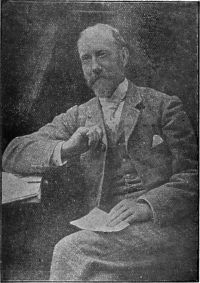
 William Wedderburn,
Allan Octavian Hume, C.B. — Introductory
(1913)
William Wedderburn,
Allan Octavian Hume, C.B. — Introductory
(1913)
“ For the masses of the peasantry, scourged by poverty, famine, and pestilence, were beginning to give way to despair ; they could not make their voices heard, and they saw no hope of relief ; while, in the schools and colleges, the leaven of Western education was working among the intellectuals, teaching lessons of political history, and showing them how it was only through storm and stress that the British people had won for themselves the blessings of freedom. Hence the mind of the younger generation was stirred by vague dreams of revolutionary, and even violent, change. ”
