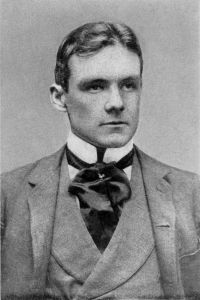
Arthur St. Clair

Definition and stakes

F. J. Stimson,  Pirate Gold (1896)

“ His career was shadowy, like his hair. In those days still a mustache bore with it some audacity, and gave a man who frankly lived outside the reputable callings something of the buccaneer. St. Clair called himself a gentleman, but did not pretend to be a clerk, and frankly avowed that he was not in trade. ”
Source: Wikisource

Beatrice E. Clay,  Stories from Le Morte D'Arthur and the Mabinogion

“ So then the murmurs grew to a loud clamour that the law should have its course, and that King Arthur should pass sentence on the Queen. Then was the King's woe doubled; "For," said he, "I sit as King to be a rightful judge and keep all the law; wherefore I may not do battle for my own Queen, and now there is none other to help her." So a decree was issued that Queen Guenevere should be burnt at the stake outside the walls of Carlisle.
Forthwith, King Arthur sent for his nephew, Sir Gawain, and said to him: "Fair nephew, I give it in charge to you to see that all is done as has been decreed."
”
Source: Gutenberg

Various,  The Bay State Monthly — Volume 1…

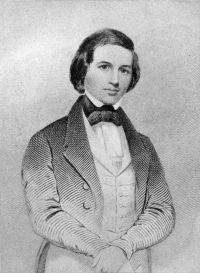
“ When a lad, young Arthur had always taken a great interest in politics, and it is related of him that during the Clay-Polk campaign of 1844, while he and some of his companions were raising an ash pole in honor of Harry Clay, they were attacked by some Democratic boys, when young Arthur, who was the leader of the party, ordered a charge, and drove the young Democrats from the field with sore heads and subdued spirits. ”
Source: Gutenberg

Get perspective with Kwize: daily news enlightened by great literature