Astrid

Definition and stakes

H. Bedford-Jones,  The Cross and the Hammer: A Tale of the Days of the Vikings (1912)

“ Astrid's eyes flashed, and she cried, angrily, "I say I will go! If we are taken, I will be just as safe; and you two can handle a small boat in any sea."
"But, Astrid," objected Sigurd, in dismay, "at best it will take us three days, and—"
"So much the more need of another person. Now say no more." She set her mouth determinedly, and Vagn's opposition vanished in a peal of laughter.
"Come on," he cried gayly; "I would rather fight a dozen Norsemen than try to oppose you! We'll go down to the harbor now and see about a boat."
”
Source: Gutenberg

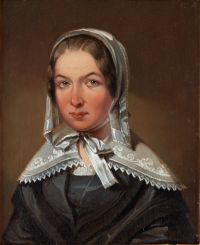
Portrait of Selma Lagerlöf Selma Lagerlöf,  From a Swedish Homestead

“ King Olaf answered her:
'I see that what was deadly earnest to me was but a pastime to thee. Never hast thou thought upon what it was to come and say to a man: "I am she whom thou most fervently desirest; I am that high-born maiden whom it is the greatest honour to win." And then thou art not that woman; thou art but a lying bondwoman.'
'I have loved thee from the first moment I heard thy name,' Astrid said softly.
The King clenched his hand in anger against her.
'Know, Astrid, that I have longed for Ingegerd as no man has ever longed for woman.
”
Source: Gutenberg

Portrait of Fredrika Bremer Fredrika Bremer,  Strife and Peace

“ Astrid's whole being. The sickly paleness of her noble countenance, the depressed seldom-raised eyelids, the inanimate languor of her movements, the gloomy indifference in which her soul seemed to be wrapped,—like her body in its black mourning habiliments, when she sate for hours in her easy-chair, often without occupation, the head bowed down upon the breast; all this indicated a soul which was severely fettered by long suffering.
Suffering in the north has its own peculiar character. In the south it burns and consumes. In the north it kills slowly; it freezes, it petrifies by degrees.
”
Source: Gutenberg

Get perspective with Kwize: daily news enlightened by great literature