Bowling Green, Kentucky

Definition and stakes

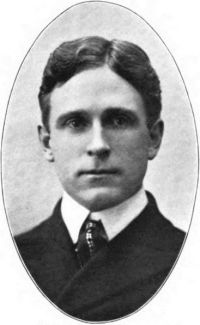
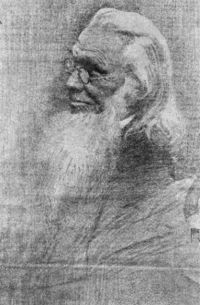
Portrait of James Lane Allen James Lane Allen,  The Blue-Grass Region of Kentucky…

“ A population of some two millions with only one interior town that contains over five thousand white inhabitants. Hence Kentucky makes no impression abroad by reason of its urban population. Lexington, Bowling Green, Harrodsburg, Winchester, Richmond, Frankfort, Mount Sterling, and all the others, where do they stand in the scale of American cities? Hence, too, the disparaging contrast liable to be drawn between Kentucky and the gigantic young States of the West. Where is the magnitude of the commonwealth, where the ground of the sense of importance in the people? ”
Source: Gutenberg

Portal:United States Congress,  United States Statutes at Large (1846)

“ From Tipton Courthouse to the Warehouse, on the Mississippi river. From Treadwell’s, on Big Creek, to Memphis. From Iron Banks, in Kentucky, by Dresden, Gibsonport, Jackson, and Bolivar, to Cotton Gin Port, in Mississippi. From Columbia, by Hurt’s Cross Roads, to Murfreesborough: thence to Lebanon. From Bowling Green, in Kentucky, by Springfield, mouth of Harpeth, to Charlotte. From Yellow Creek post-office, in Montgomery, to Reynoldsburg. From Tellico Plains, by Canasaga Valley, to Columbus, in McMinn county. ”
Source: Wikisource

Various,  Encyclopaedia Britannica, 11th Edition…

“ Bowling Green has two parks, a large horse and mule market, and a trade in other live-stock, tobacco and lumber; among its manufactures are flour, lumber, tobacco and furniture. The municipality owns and operates the water-works and the electric lighting plant. Bowling Green was incorporated in 1812. During the early part of the Civil War Bowling Green was on the right flank of the first line of Confederate defence in the West, and was for some time the headquarters of General Albert Sidney Johnston. ”
Source: Gutenberg

Get perspective with Kwize: daily news enlightened by great literature