Cebu

Definition and stakes

Charles M. Skinner,  Myths & Legends of our New Possessions & Protectorate

“ A son was born to them,—so beautiful a boy that the sun god made a land for him, stocked it with living creatures, adorned it with greenery and flowers, and gave it to the human race as an inheritance of joy forever. This land he called Cebu, and no land was more lovely. Lupa was the child, and from him came all the kings of Cebu, among them Amambar, the first chief of the island of whom we have definite record. ”
Source: Gutenberg

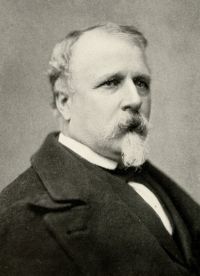
Portrait of Hugh Alexander Webster Hugh Alexander Webster,  Encyclopædia Britannica, Ninth Edition…

“ The important island of Cebu (2413 square miles; provincial population, 403,405) is 135 miles long from north to south, but only 30 miles broad at the most. The chief town, Cebu, is the capital of the Visayas group and is next to Iloilo in the matter of commerce. It is only along the coast that cultivation is easy, and none of the villages lie far inland. Parallel with Cebu and separated from it by a strait 15 miles wide, is Negros (4670 square miles; population, 204,669) , with large sugar plantations, but only one large town, Jimamaylan, and no good ports. ”
Source: Wikisource

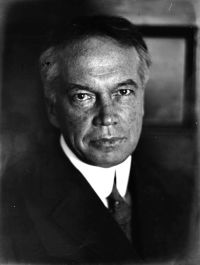
Portrait of Murat Halstead Murat Halstead,  The Story of the Philippines

“ The town of Cebu is the most ancient in the Philippines; it is the seat of government of the Visayan Islands, which include Cebu, Bohol, Panay, Negros, and Leyte, and it is the residence of a bishop. It is built on a large plain at the foot of the chain of hills that traverse the island throughout its length, and is a well-constructed, thriving place; the merchants' quarter is situated along the port, and includes some well-built stone houses, though many are of old construction. The huts of the Malays, for the most part fishermen, are on the beach, and form the west part of the city. ”
Source: Gutenberg

Get perspective with Kwize: daily news enlightened by great literature