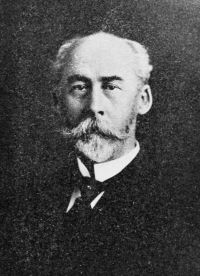
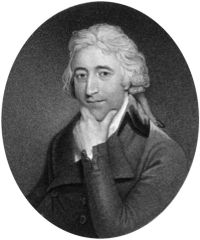
Hemp, a versatile plant cultivated for its strong fibers and historical significance, has been a recurring motif in literature, symbolizing both agricultural labor and natural resilience. Authors such as James Lane Allen evoke its vivid presence in Kentucky’s landscapes, emphasizing its sensory and ecological impact, while Stephen Vincent Benét weaves it into a mythical narrative tied to maritime struggle.
Brittain B. Robinson highlights its practical utility, noting its superior fiber yield compared to flax, and Phil Robinson references its role in domestic life through bird-feeding. From poetic reverie to pragmatic analysis, hemp’s portrayal reflects its dual role as both a natural resource and a cultural touchstone, bridging the tangible and the symbolic across diverse literary contexts.
 James Lane Allen,
The Reign of Law; a tale of the Kentucky hemp fields
James Lane Allen,
The Reign of Law; a tale of the Kentucky hemp fields