Summary

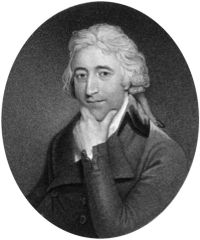
Portrait of James Edward Smith James Edward Smith An introduction to physiological and systematical botany (1807)

To all the foregoing secretions of vegetables may be added those on which their various colours depend. We can but imperfectly account for the green so universal in their herbage, but we may gratefully acknowledge the beneficence of the Creator in clothing the earth with a colour the most pleasing and the least fatiguing to our eyes. We may be dazzled with the brilliancy of a flower-garden, but we repose at leisure on the verdure of a grove or meadow. Of all greens the most delicate and beautiful perhaps is displayed by several umbelliferous plants under our hedges in the spring.
Source: Wikisource

Portrait of James Edward Smith James Edward Smith An introduction to physiological and systematical botany (1807)

But the man who loves botany for its own sake knows no such feelings, nor is he dependent for happiness on situations or scenes that favour their growth. He would find himself neither solitary nor desolate, had he no other companion than a "mountain daisy," that "modest crimson-tipped flower," so sweetly sung by one of Nature's own poets. The humblest weed or moss will ever afford him something to examine or to illustrate, and a great deal to admire.
Source: Wikisource

Portrait of James Edward Smith James Edward Smith An introduction to physiological and systematical botany (1807)

But when we attempt to consider how the particular secretions of different species and tribes of plants are formed; how the same soil, the same atmosphere, should in a leaf of the vine or sorrel produce a wholesome acid, and in that of a spurge or manchineel a most virulent poison; how sweet and nutritious herbage should grow among the acrid crowfoot and aconite, we find ourselves totally unable to comprehend the existence of such wonderful powers in so small and seemingly simple an organ as the leaf of a plant.
Source: Wikisource

Get perspective with Kwize: daily news enlightened by great literature