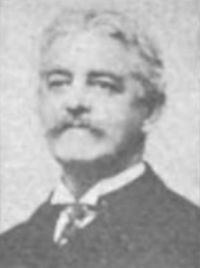
Charles I of Anjou

Definition and stakes

J. N. Larned History for ready reference, Volume 1…

Charles I., the founder of the proud fortunes of this Third House, was ambitious in character, and events long favoured his ambition. Count of Provence, through the inheritance of his consort, had not long been invested with Anjou and Maine, ere he was invited to the conquest of Sicily [see ITALY (SOUTHERN) : A. D. 1250-1268] ." The Third House of Anjou ended in the person of John, who became King of France in 1350. In 1356 he invested his son Louis with Anjou and Maine, and in 1360 the latter was created the first Duke of Anjou.
Source: Gutenberg

Edgcumbe Staley King René d'Anjou and His Seven Queens

Charles and Marie should be betrothed, and Mary should be Queen of France! Yolande broached the subject to King Charles, and at once gained his cordial consent, but tactfully she left to him the furthering of the project. Upon December 18, 1415, Charles of France and Marie of Sicily-Anjou were privately affianced in the Royal Chapel of the Castle of Bourges. France was in the throes of revolution and dissolution; the terrible defeat at Azincourt, on October 24 that same year, had paralyzed the military power of the French States, and was the ultimate cause of King Charles’s insanity.
Source: Gutenberg

Various Encyclopaedia Britannica, 11th Edition…

He enriched himself from the estate of Charles V. and by excessive exactions, before he set out in 1382 for Italy to effect the conquest of Naples. Considerable discontent existed in the south of France at the time of the death of Charles V., and when the duke of Anjou re-imposed certain taxes which the late king had remitted at the end of his reign, there were revolts at Puy and Montpellier. Paris, Rouen, the cities of Flanders, with Amiens, Orleans, Reims and other French towns, also rose (1382) in revolt against their masters.
Source: Gutenberg

Get perspective with Kwize: daily news enlightened by great literature