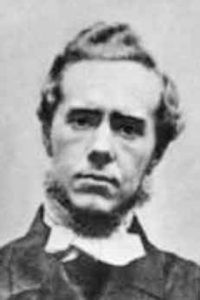
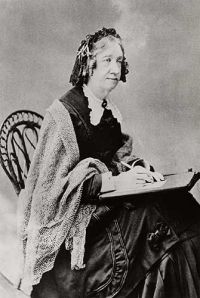
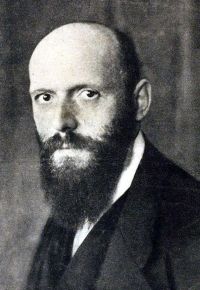
The concept of "plans" encompasses structured frameworks that guide human action, serving as blueprints for both tangible and abstract pursuits. Authors have long examined this theme, analyzing plans as reflections of intention and foresight. Nixon Waterman compares thoughts to architectural designs, shaping actions as structures, while Robert Kerr critiques schemes driven by narrow motives rather than universal benefit. Sidney Lewis Gulick observes the seriousness with which humans devise ambitious strategies, even as their feasibility remains uncertain.
William Pittenger highlights the role of planning in sharpening reasoning, and Charles Kingsley notes that abandoned schemes may still hold latent value. Mark Twain humorously underscores the novelty of planning for those unaccustomed to it, and Sylvanus Stall advocates for thoughtful, purpose-driven designs. Collectively, these perspectives reveal plans as both practical instruments and profound indicators of human aspiration and fallibility.
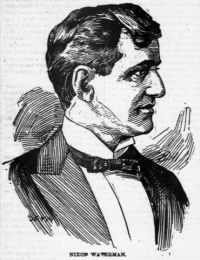 Nixon Waterman,
The Girl Wanted: A Book of Friendly Thoughts
Nixon Waterman,
The Girl Wanted: A Book of Friendly Thoughts