Summary

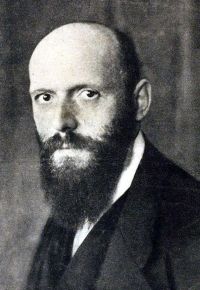
Portrait of Otto Neurath Otto Neurath International Planning for Freedom (1942)

In spite of all the cruelties and devastations so far, this world war does not seem to be shaking the structure of our whole society in its fundaments. The Western traditions seem to be stable, indeed very fixed.
Many movers of, and objectors to, planning think that a new world of planning requires perhaps the sacrifice of a whole generation, particularly the sacrifice of personal freedom. It seems likely that such an attitude often endangers freedom and civil liberty for decades.
Source: Wikisource

Portrait of Otto Neurath Otto Neurath International Planning for Freedom (1942)

Planning is becoming almost universal: planning as a war measure, planning as economists' anti-slump medicine, planning as a pleasure for architects and planning as a characteristic of the new pattern of our society.
The men responsible for the war effort, irrespective of their political opinions, found the traditional market insufficient in dealing with the war and therefore they organized a comprehensive control of production and consumption not only on a national but also on an international scale.
Source: Wikisource

Portrait of Otto Neurath Otto Neurath International Planning for Freedom (1942)

Perhaps our era will investigate both happiness and unhappiness which will prove to be related to planning.
The Industrial Revolution found its theorists in economists and sociologists of the 18th century; many of them predicted increasing political freedom and the increasing productive capacity of all industries - the tenor of their writing sometimes recalled, as it were, Aristotle's saying that neither the architects would need servants, nor the masters slaves, if the shuttle wove of itself.
Source: Wikisource

Get perspective with Kwize: daily news enlightened by great literature