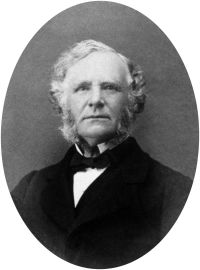
The standard of living refers to the level of income, comforts, and services available to individuals or societies, shaped by economic, social, and environmental factors. Authors like William Graham Sumner viewed it as a cultural construct influencing moral judgment, while Samuel Henry Prince focused on its function as a measure of personal well-being.
Edwin Lawrence Godkin underscored its development as a societal arena where progress meets tradition. The concept connects material indicators with social values, reflecting both personal ambitions and shared standards, as seen in discussions about sustainability, fairness, and the entitlement to a decent quality of life.