Summary

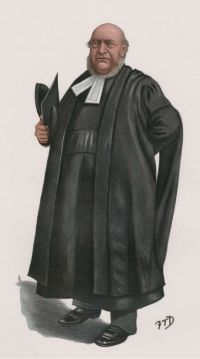
Portrait of Thomas Fowler Thomas Fowler Progressive Morality: An Essay in Ethics

The justification of the moral test and the source of the moral feeling are alike, I conceive, to be discovered by an examination of human nature, and, so far as that nature has a divine origin, so far is the origin of morality divine. Whatever the ultimate source of morality may be, to us, at all events, it can only be known as revealed or reflected in ourselves. What, then, is it in the constitution of our nature, which leads us to aim at the well-being of ourselves and those around us, and to measure our own conduct and that of others by the extent to which it promotes these ends?
Source: Gutenberg

Portrait of Thomas Fowler Thomas Fowler Progressive Morality: An Essay in Ethics

Man will constantly be discovering new wants, new and more refined susceptibilities of his nature, and with them his conception of human well-being must necessarily grow. But, though not a fixed or final conception, the idea of social well-being is sufficiently definite, in each generation, to act as a guide and incentive to conduct. It is the star, gradually growing brighter and brighter, which lights our path, and, any way, we know that, if it were not above us in the heavens, we should be walking in the darkness.
Source: Gutenberg

Portrait of Thomas Fowler Thomas Fowler Progressive Morality: An Essay in Ethics

But why, it may be asked, should not a man accept a bribe, if, on other grounds, he would vote for the candidate who offers it? Simply, because he is encouraging a practice which would, in time, deprive Parliament of most of its more competent members, and reduce it to an oligarchy of millionaires, as well as degrading himself by a sordid act. To receive a present for a vote, even if the vote be given conscientiously, is to lend countenance to a practice which must inevitably corrupt the consciences, and pervert the judgment, of others.
Source: Gutenberg

Get perspective with Kwize: daily news enlightened by great literature