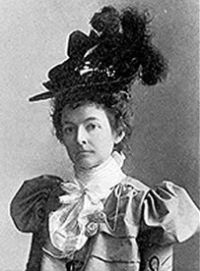
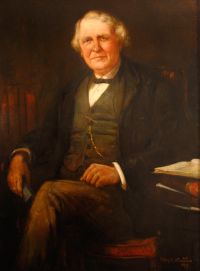
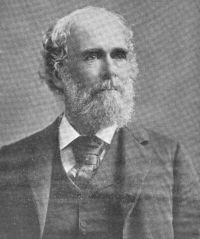
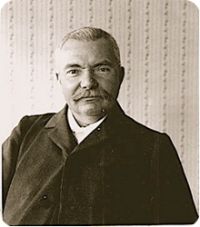
Quality of life encompasses the multifaceted aspects of human existence, ranging from health and environment to social connection and personal satisfaction, as defined by the World Health Organization. This concept is examined through various perspectives, such as the engaged theory’s focus on ecology, economics, politics, and culture. Authors like T. Troward emphasize the spiritual aspect of life, while H.
G. Wells highlights the relationship between purpose and human potential. Jack London affirms the inherent greatness within every individual, and William Morris outlines the conditions necessary for a meaningful existence. Combining these viewpoints, quality of life emerges as both a quantifiable framework and a deeply personal, evolving experience, reflecting measurable factors and subjective well-being.