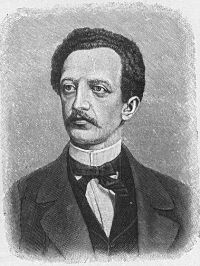
Thomas Campbell Foster

Biographical details

Thomas Campbell Foster Popular Science Monthly (1884)

It has come as a new and cheering light to them (I was going to say as a revelation, but the word would be misinterpreted) to see in happiness, their own included, the answer to the doleful question. Is life worth living? If by self-mortification, overwork, wear end worry, I make myself wretched and fail to make those around me happier, I may well ask in mournful accents that foolish question. If I not only fail so to make others happier but make them less happy, and hand on gloom and misery to future ages, I may not only ask it gloomily but answer it sadly. Life is not worth living.
Source: Wikisource

Thomas Campbell Foster Popular Science Monthly (1884)

Nay, a blind love of country is regarded as something so directly the converse of selfishness, that Sir Walter Scott speaks of the absence of this sort of patriotism as simple selfishness. After asking if the man lives with soul so dead as never to have said to himself, "This is my own, my native land?" he goes on to say that such a man, a "wretch concentered all in self," can be swelled by no minstrel music, and is bound to go unmourned and unsung to an unhonored grave.
Source: Wikisource

Thomas Campbell Foster Popular Science Monthly (1884)

If all men sought the good of others before their own, it is obvious that a confusion of interests would arise—other but not less unsatisfactory, perhaps, than that which exists in a society where, let their doctrines be what they may, the greater number seek their own welfare first. If, on the other hand, all men were moved by far-seeing considerations and a well-regulated care for the interests of others, no special care would be needed, and few rules would have to be laid down, to insure the progress and happiness of the community.
Source: Wikisource

Get perspective with Kwize: daily news enlightened by great literature