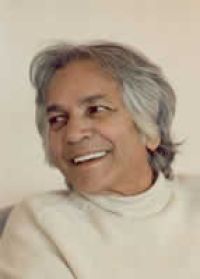
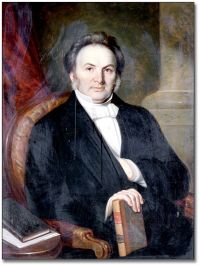
Fullness denotes the complete use of an object’s spatial or conceptual capacity, often evoking themes of wholeness and saturation. This idea has been examined by a variety of thinkers, from Ralph Waldo Emerson, who saw the human soul as a reflection of the "eternal ONE," to U. G. Krishnamurti, who eliminated the distinction between emptiness and fullness, highlighting their mutual reliance.
Adam Clarke described spiritual abundance as a divine infusion, while Ella Wheeler Wilcox associated it with triadic perfection in love. These viewpoints together portray fullness as a complex concept, connecting the physical and the transcendent, and emphasizing humanity’s search for completeness.