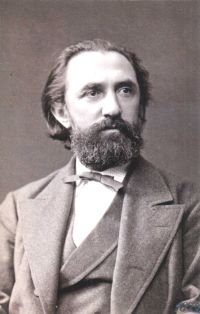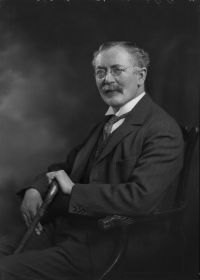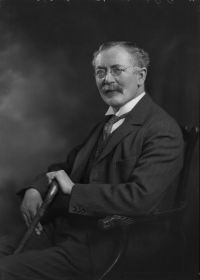
Edmund Edward Fournier d'Albe

Biographical details

Portrait of Edmund Edward Fournier d'Albe Edmund Edward Fournier d'Albe,  Hephæstus; or, The Soul of the Machine (1925)

“ There is an increasing tendency in modern thought to abolish the distinction between soul and body and to regard them as one and indivisible. Adopting that view, we may assert that the use of a weapon means the enlargement of a man’s body and the [20] simultaneous expansion of his soul. Every weapon, every tool, every machine is the embodiment of a human thought and purpose. The user adopts that thought and purpose, and behold—the machine has found its soul! ”
Source: Gutenberg

Portrait of Edmund Edward Fournier d'Albe Edmund Edward Fournier d'Albe,  Hephæstus; or, The Soul of the Machine (1925)

“ The age of science, discovery, and invention, the age of mechanism and machinery and power, has come and come to stay. Man, liberated from mechanical drudgery by the machine, has time to develop his intellectual and artistic powers. His necessities being supplied by pressing a button, he is liberated to enjoy a more varied existence. If some men and women are still bound to monotonous tasks, it does not necessarily mean unhappiness, for the Pathfinders’ life is one of constant care and much anxiety. ”
Source: Gutenberg

Portrait of Edmund Edward Fournier d'Albe Edmund Edward Fournier d'Albe,  Hephæstus; or, The Soul of the Machine (1925)

“ The empire of Hephæstus is expanding before our eyes. His bellows blow through our blast furnaces. His anvils ring in thousands of factories. His engines career over the land, and his steamers over the sea. His internal-combustion cars are strung out along the roadways, and his avions run their furrows through the clouds. Wherever he goes, he lightens the burdens of humanity and gladdens all hearts with [66] his gifts. He brings warmth and light into dark places. He draws mankind closer and closer together. ”
Source: Gutenberg

Get perspective with Kwize: daily news enlightened by great literature