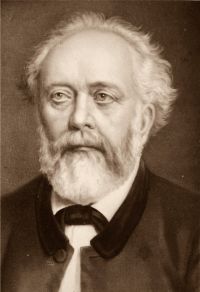
Baruch Spinoza

Definition and stakes

Israel Abrahams,  Chapters on Jewish literature

“ Baruch Spinoza (1632-1677) lacked enthusiasm, had little belief in the verbal promises of Scripture, yet developed a system of ethics in which God filled the world. Manasseh ben Israel regained for the Jews admission to England; Spinoza reclaimed the right of a Jew to a voice in the philosophy of the world. Both were political thinkers who maintained the full rights of the individual conscience, and though the arguments used vary considerably, yet Manasseh ben Israel's splendid Vindiciæ Judeorum and Spinoza's "Tractate" alike insist on the natural right of men to think freely. ”
Source: Gutenberg

Lady Katie Magnus,  Outlines of Jewish History from B.C. 586 to C.E. 1885

“ A wide gulf separates knowledge, however great, from genius. The Amsterdam congregation had acquired the one, and Spinoza possessed the other, and this exceptional gift of his was not known, nor guessed at till it was too late.
Little is known of the social position of Baruch Spinoza’s parents, nor can much be inferred from the fact that he received an excellent education, since in all classes, and at all periods, Jews have made an effort to secure for their children the best that was obtainable in the way of knowledge.
”
Source: Gutenberg

Portrait of Baruch Spinoza Baruch Spinoza,  Ethics (1677)

“ Whereas the only truth substances can have, external to the intellect, must consist in their existence, because they are conceived through themselves. Therefore, for a person to say that he has a clear and distinct—that is, a true—idea of a substance, but that he is not sure whether such substance exists, would be the same as if he said that he had a true idea, but was not sure whether or no it was false (a little consideration will make this plain) ; or if anyone affirmed that substance is created, it would be the same as saying that a false idea was true—in short, the height of absurdity. ”
Source: Gutenberg

Get perspective with Kwize: daily news enlightened by great literature