Earl of Salisbury

Definition and stakes

Richard Brooke Visits to Fields of Battle, in England…

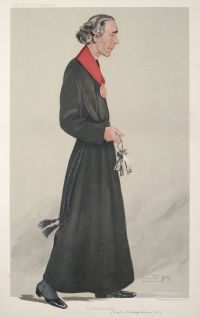
Richard Neville Earl of Salisbury was the son of Ralph Neville, first Earl of Westmoreland (by Joan, his second wife, daughter of John of Gaunt Duke of Lancaster, and widow of Sir Robert Ferrers of Oversley) , and was created Earl of Salisbury after the death of Thomas de Montacute Earl of Salisbury, his wife’s father, in the fifteenth year of King Henry VI., and made Lord Chancellor in the 32nd year of his reign.
Source: Gutenberg

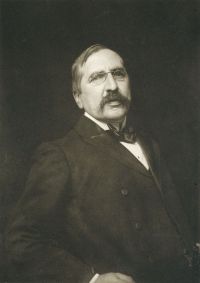
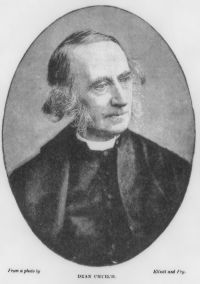
Portrait of Leslie Stephen Leslie Stephen Dictionary of National Biography… (1894)

On the death of his uncle, Earl William, in 1397, he succeeded to his lands and dignity as Earl of Salisbury. The part that he took with reference to the peace and the king's marriage secured him Richard's confidence, and he was a favourite with him and a prominent member of the court party. With the people- at large, and specially with the Londoners, who were displeased at the peace and at the king's doings generally, he was unpopular.
Source: Wikisource

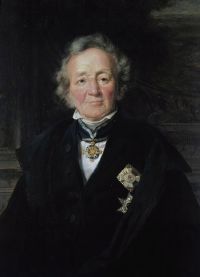
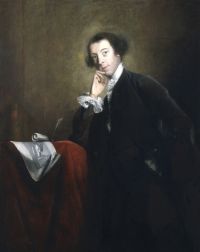
Portrait of Leopold von Ranke Leopold von Ranke A history of England principally in the seventeenth century…

What had still been possible under Elizabeth, when the sovereign and her Parliament formed one party, was no longer so now; especially as a man who had attracted universal hatred stood at the head of affairs. Besides this a dispute was already going on which we cannot pass over in silence.
It arose upon the same matter which had caused such grave embarrassment to the Earl of Salisbury, the unlimited exercise of the right of levying tonnage and poundage entirely at the discretion of the government.
Source: Gutenberg

Get perspective with Kwize: daily news enlightened by great literature