“ There was the life of high thinking, of disinterested aims, of genuine enthusiasm, of genuine desire to delight and benefit mankind, by opening new paths to wonder and knowledge and power. And there was the put on and worldly life, the life of supposed necessities for the provision of daily bread, the life of ambition and self-seeking, which he followed, not without interest and satisfaction, but at bottom because he thought he must—must be a great man, must be rich, must live in the favour of the great, because without it his great designs could not be accomplished. ”
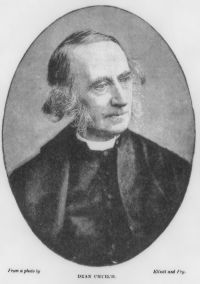
R. W. Church
Summary
R. W. Church’s Bacon examines the life and philosophical legacy of Francis Bacon, focusing on his ambitious quest for knowledge through systematic investigation, as outlined in Novum Organum, while addressing his moral compromises and political involvements.
The work explores Bacon’s dual existence—his idealistic vision of scientific progress and his practical maneuvering within 17th-century power structures, including his tense relationships with figures like Essex and Buckingham. Church highlights Bacon’s contributions to philosophy and his flawed yet lasting impact on the development of natural science, portraying him as a conflicted figure whose intellectual brilliance was overshadowed by personal and political weaknesses.
Quotes from Bacon (R. W. Church)
“ All his life long his first and never-sleeping passion was the romantic and splendid ambition after knowledge, for the conquest of nature and for the service of man; gathering up in himself the spirit and longings and efforts of all discoverers and inventors of the arts, as they are symbolised in the mythical Prometheus. He rose to the highest place and honour; and yet that place and honour were but the fringe and adornment of all that made him great. It is difficult to imagine a grander and more magnificent career ”
“ It was well said by Themistocles to the King of Persia, 'That speech was like cloth of arras opened and put abroad, whereby the imagery doth appear in figure; whereas in thought they lie in packs.' Neither is this second fruit of friendship, in opening the understanding, restrained only to such friends as are able to give a man counsel. (They are, indeed, best.) But even without that, a man learneth of himself, and bringeth his own thoughts to light, and whetteth his wits against a stone which itself cuts not. ”
