Earth's equator

Definition and stakes

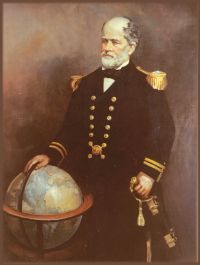
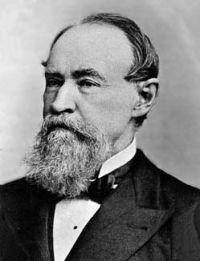
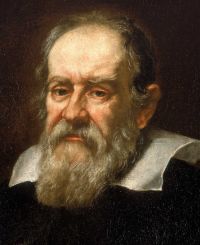
Portrait of George Biddell Airy George Biddell Airy,  Popular Astronomy: A Series of Lectures Delivered at Ipswich (1881)

“ At the equinoxes, the plane of the earth's equator passes through the sun, and then the sun's action does not tend to tilt the earth at all, and consequently does not tend to alter the position of its equator at all; but at all other times the sun's action produces a motion, greater or less, of the intersection of the earth's equator with the plane of the ecliptic, in a direction opposite to the direction of the earth's rotation. ”
Source: Wikisource

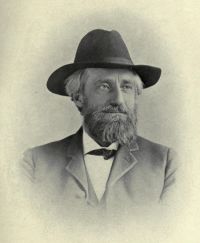
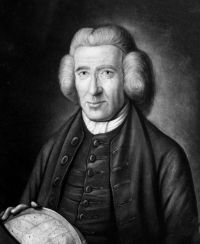
Portrait of James Ferguson James Ferguson,  Astronomy Explained Upon Sir Isaac Newton's Principles

“ That our Earth is really of this figure is demonstrable from the unequal vibrations of a pendulum, and the unequal lengths of degrees in different latitudes. Since then, the Earth is higher at the Equator than at the Poles, the sea, which naturally runs downward, or towards the places which are nearest the centre, would run towards the polar Regions, and leave the equatoreal parts dry, if the centrifugal force of these parts did not raise and carry the 37waters thither. The Earth’s equatoreal diameter is 35 miles longer than its Axis. ”
Source: Gutenberg

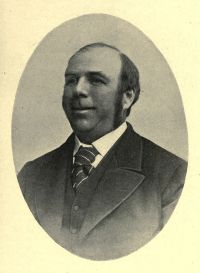
Victor L. Conrad,  Popular Science Monthly (1876)

“ As the air at the equator is more highly heated by the sun than that of any other region, it expands, becomes lighter and rises, causing a partial vacuum or deficiency there at the surface of the earth. The air north and south of it at once moves forward from opposite directions to supply this deficiency at the equator, and this in turn becomes heated and ascends. Other air again moves forward from north and south to replace it, and thus an upward current at the equator, and a north and south polar current at the surface toward the equator, are established. ”
Source: Wikisource

Get perspective with Kwize: daily news enlightened by great literature