Eliphaz the Temanite

Definition and stakes

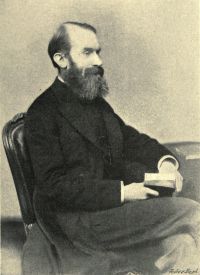
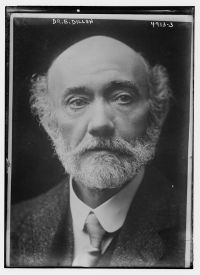
Portrait of Ignatius Donnelly Ignatius Donnelly,  Ragnarok : the Age of Fire and Gravel

“ Kings and counselors do not build "desolate places" for themselves; they build in the heart of great communities; in the midst of populations: the places may become desolate afterward.
Eliphaz the Temanite seems to think that the sufferings of men are due to their sins. He says:
Even as I have seen, they that plough wickedness and sow wickedness, reap the same. By the blast of God they perish, and by the breath of his nostrils are they consumed. The roaring of the lion, and the voice of the fierce lion, and the teeth of the young lions are broken.
”
Source: Gutenberg

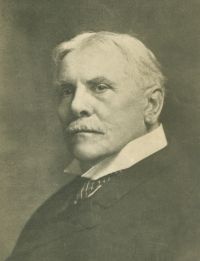
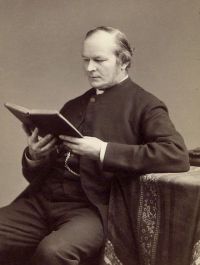
Portrait of F. W. Farrar F. W. Farrar,  The Expositor's Bible: The First Book of Kings

“ When He reveals Himself in a vision of the night to Eliphaz the Temanite "a wind passed before my face, so that the hair of my head stood up, and there was silence, and I heard a voice saying, Shall mortal man be great before God? shall a man be pure before his Maker?" These passages in no small measure explain the symbolism of Elijah's vision, and point to its essential significance. ”
Source: Gutenberg

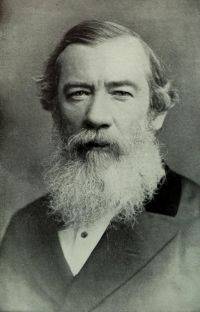
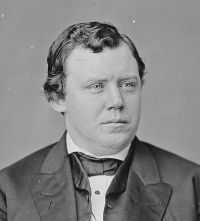
Marion D. Shutter,  Wit and Humor of the Bible: A Literary Study

“ I am not inferior to you; yea, who knoweth not such things as these?” To the speech introduced by these words, Eliphaz sharply replies, “Art thou the first man that was born? or wast thou made before the hills? Hast thou heard the secret of God, and dost thou restrain wisdom to thyself? What knowest thou that we know not? What understandest thou which is not in us? With us are both the gray-headed and very aged men, much elder than thy father.” ”
Source: Gutenberg

Get perspective with Kwize: daily news enlightened by great literature