Empress Eugénie de Montijo

Definition and stakes

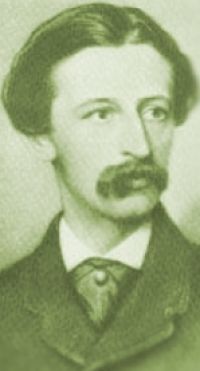
Portrait of Émile Zola Émile Zola His Excellency [Son Exc. Eugène Rougon…

Clorinde Balbi at once suggests the beautiful Countess de Castiglione; but in the account of her earlier career one finds a suggestion of the behaviour which innumerable scandalmongers impute—wrongly, I believe—to the Empress Eugénie. In Clorinde's mother, the Contessa Balbi, there is more than a suggestion of Madame de Montijo, who was undoubtedly an adventuress of good birth. Both the Balbis are very cleverly drawn; they typify a class of women that has long flourished in France, where it still has some notorious representatives.
Source: Gutenberg

Various Lippincott's Magazine of Popular Literature and Science…

It speedily became evident that the marriage, unpopular as it had been among the counsellors of the emperor, was still more so among the people at large. No cries of "Long live the empress!" save from the throats of paid agents of the government, rose to greet the beautiful Eugénie when she appeared in public. People stared sullenly at her as at a passing pageant, but were moved neither by her charms nor her gentle and gracious courtesy to any outburst of enthusiasm. To the masses she was "L'Espagnole," the heiress to the bitter hate inspired by the Austrian, Marie Antoinette.
Source: Gutenberg

Anonymous The Empress Frederick: a memoir

This visit laid the foundation of that strong affection and admiration for France and the French which thenceforth characterised the Princess Royal. It was on this visit, too, that she conceived her enthusiastic adoration of the Empress Eugénie. Her character was now beginning to be formed, and it is the key to the tragedy of her life, for a cruel fate so ordered her future that, while she was made to pay the full penalty for her failings, her many lovable and generous qualities seemed often to find none but the most grudging recognition.
Source: Gutenberg

Get perspective with Kwize: daily news enlightened by great literature