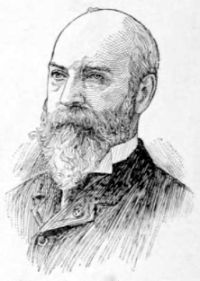
George Wythe (1726–1806), a Founding Father, legal scholar, and judge, played a pivotal role in shaping early American law and governance. As a mentor to figures such as Thomas Jefferson and John Marshall, he combined thorough legal analysis with strong moral principles, notably freeing his enslaved people after the Revolution.
His influence continues through writings that emphasized the significance of justice and constitutional values, as highlighted by biographers like L. Carroll Judson, who commended his "professional dignity" and ethical standards. Wythe’s correspondence with British Parliament reflected his thoughtful approach to colonial rights, merging practicality with principled opposition. His life encapsulates the intellectual and moral forces that shaped America’s early development.