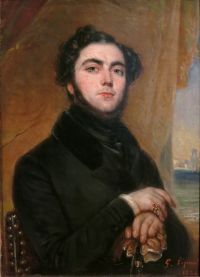
Jan de Witt

Definition and stakes

Various,  The New Gresham Encyclopedia. Deposition to Eberswalde

“ De Witt, Jan, Grand-Pensionary of Holland, celebrated as a statesman and for his tragical end, was the son of Jacob de Witt, burgomaster of Dort, and was born in 1625. He became the leader of the political party opposed to the Prince of Orange, and in 1652, two years after the death of William II, was made Grand-Pensionary. In 1665 the war with England was renewed, and conducted by De Witt with great ability till its termination in 1665. In 1672 Louis XIV invaded the Spanish Netherlands and involved Holland in war. ”
Source: Gutenberg

The Great Events by Famous Historians…

“ Jan de Witt and the States conceived that his first attempt would be upon Maestricht, the possession of which he was known to have long coveted, and that the difficulties of its conquest would be sufficient to deter from further enterprise a monarch of whose military prowess no very high idea was entertained, and who was supposed to be far more enamoured of the pomp and circumstance of war than of its toils and dangers. They accordingly fortified and provided Maestricht with the utmost care, leaving the frontier towns on the Rhine in an utterly inefficient state of defence. ”
Source: Gutenberg

Augusta Huiell Seaman,  Jacqueline of the Carrier Pigeons… (1910)

“ Another hour passed, and Jan, frightened almost out of his senses, resolved to seek Dr. de Witt. Waking Vrouw Voorhaas he told her that he did not feel well and was going out to consult the doctor. She, he said, must go quietly to sleep again, as it was nothing serious. Unsuspectingly she assented, and he hurried out to find Dr. de Witt, weary with his day’s exertion, just about to turn into bed. The tale was soon told, and Pieter de Witt lost not a moment in resuming his clothes.
“She has answered some summons,” said he, “and has been led into a trap. I know it!
”
Source: Wikisource

Get perspective with Kwize: daily news enlightened by great literature