Mystic River

Definition and stakes

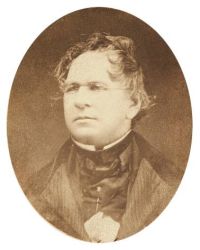
Portrait of Henry Rowe Schoolcraft Henry Rowe Schoolcraft,  Summary Narrative of an Exploratory Expedition to the Sources of the Mississippi River…

“ After entering the Mississippi, below Sandy Lake, the stream presents very much the character it has above. It was below this point that we first observed the juglans nigra in the forest. Its banks are diluvial or alluvial formations, elevated from six to ten feet. The elm, maple, and pine are common. There are some small grassy islands, with tufts of willows, and driftwood lodged. No rock strata appear. The river winds its way through vast diluvial beds, exhibiting at its rapids granitical, quartz, and trappose boulders. ”

Source: Gutenberg

Various,  Southern Stories

“ Grandest of American rivers though it is, you will be glad to get away from it to a noble stream like the Columbia, to a headstrong flood like the Missouri, or an inland sea like the Mississippi; on them at least you can draw a full breath and speak aloud without a feeling that the silent mountains may fall on you or the raging river swallow you up.
In the vast territory lying between the Missouri River and the Pacific Ocean the rivers are fast being harnessed for a work that will one day make the most barren spots fertile.
”
Source: Gutenberg

Portrait of Henry Rowe Schoolcraft Henry Rowe Schoolcraft,  Narrative of an Expedition Through the Upper Mississippi to Itasca Lake…

“ On crossing through the forty-fifth parallel of latitude, the Mississippi exhibits a change in the materials of its banks preparatory to its entering the limestone region. This is first rendered strikingly visible on the rapids immediately above the Falls of St. Anthony. The fall itself is an imposing exhibition of geological scenery. The river here sinks its level about forty feet, in the distance of, say 1,500 yards. ”
Source: Gutenberg

Get perspective with Kwize: daily news enlightened by great literature