Mérida, Mexico

Definition and stakes

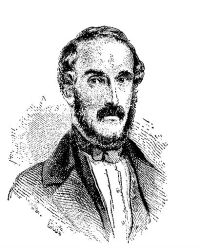
1911 Encyclopædia Britannica, Volume 18… (1911)

“ Mérida is the centre of an isolated railway system, connected with the ports of Progreso and Campeche, and having short lines radiating in all directions to Peto, Valladolid and Izamal. It stands on a broad, partly open plain near the northern border of the peninsula, where the thin loose soil covering a limestone foundation permits the rapid percolation and evaporation of the rainfall, and therefore supports a comparatively scanty vegetation. It is highly favourable to maguey cultivation, however, and Mérida is the centre of the henequén, or sisal fibre, industry. ”
Source: Wikisource

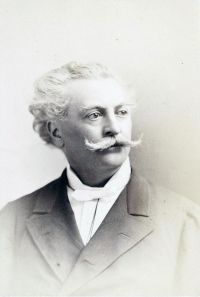
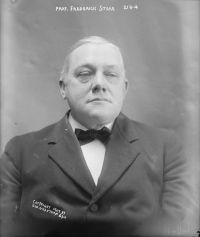
Portrait of Frederick Starr Frederick Starr,  In Indian Mexico (1908)

“ Women of middle age are usually stout, and march with quite a stately tread.
Mérida itself is much larger and better built than we had expected. Many of the houses, especially on the outskirts, are elliptical in section, and have walls of small stones closely set in mud plaster. In the center of the town the houses are covered with painted plaster and are in the usual Latin-American style.
”
Source: Gutenberg

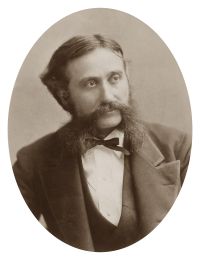
Benjamin Moore Norman,  Rambles in Yucatan; or, Notes of Travel Through the Peninsula

“ Its remote and isolated position has prevented its participation, to any extent, in the political struggles which have marked the history of the city of Mexico; and the inhabitants appear to have availed themselves of their peace and political composure by a cultivation of letters, and general mental cultivation, to an extent certainly unsurpassed in any province of Mexico.
The streets of Merida are of a good width, laid out at right angles. The side-walks are four feet 38wide, paved with rough stone. The houses are quite uniform in their appearance, and are built of stone.
”
Source: Gutenberg

Get perspective with Kwize: daily news enlightened by great literature