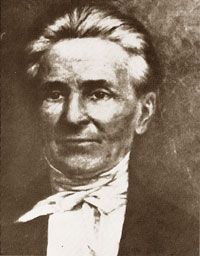
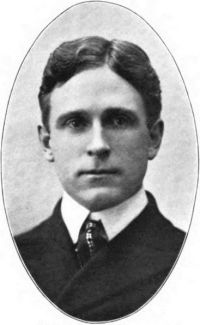
The Northwest Passage, a historic maritime route through Canada’s Arctic Archipelago connecting the Atlantic and Pacific Oceans, has long represented both exploration and geopolitical rivalry. From Agnes C. Laut’s descriptions of fur traders charting the region to John Hyde’s musings on its role as a meeting point between East and West, writers have emphasized its dual legacy of danger and opportunity.
While 19th-century expeditions struggled with ice and remoteness, contemporary accounts, such as those by Richard Hakluyt, focus on its changing accessibility in the context of climate change and territorial conflicts. The Passage continues to serve as a symbol of human aspiration, where past pursuits for trade routes converge with present-day discussions about navigation rights and ecological vulnerability.