Plymouth Colony

Definition and stakes

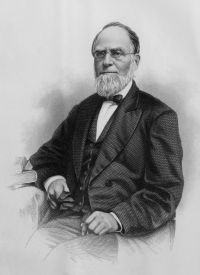
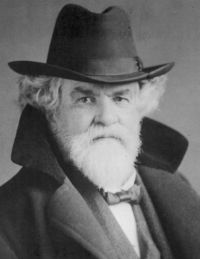
Portrait of Mary Howitt Mary Howitt,  A popular history of the United States of America… (1860)

“ Plymouth now began to flourish; the land was equitably divided; each man laboured for himself and his family, burdened neither by debt to foreign usurers, nor having to provide for “quarter-day.” Their government was a pure democracy; each male inhabitant had a vote, the governor had two. Admirable and loyal as was the conduct of the Plymouth colony, and deep root as it had immediately taken in the soil to which the Indians themselves had made them welcome, they found it impossible to obtain a charter from King James. ”
Source: Gutenberg

Various,  The New England Historical & Genealogical Register…

“ The place where they landed, called by the Indians Patuxet, they named Plymouth, after the town in England from which they last sailed.
Such was the origin of the settlement of the Plymouth colony.
Sentiments of high respect for the principles and character of the first settlers of New England have been cherished in every succeeding generation of their descendants. They have been eager to reward their inestimable service by commemorating their virtues and piety, and by preserving a recollection of their sufferings, resolution, and noble deeds, in so glorious a cause.
”
Source: Gutenberg

Portrait of John Greenleaf Whittier John Greenleaf Whittier,  Historical Papers

“ The fathers have lived in their sons. Have we not all known the Winthrops and Brewsters, the Saltonstalls and Sewalls, of old times, in gubernatorial chairs, in legislative halls, around winter camp-fires, in the slow martyrdoms of prison and hospital? The great struggle through which we have passed has taught us how much we owe to the men and women of the Plymouth Colony,—the noblest ancestry that ever a people looked back to with love and reverence. Honor, then, to the Pilgrims! ”
Source: Gutenberg

Get perspective with Kwize: daily news enlightened by great literature