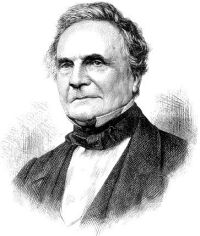
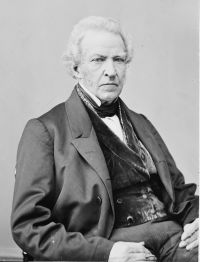
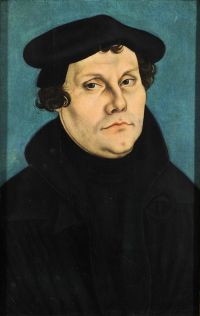
Samuel Clarke

Definition and stakes

P. H. Ditchfield,  Books Fatal to Their Authors

“ The first English author whose woes we record is Samuel Clarke, who was born at Norwich in 1675, and was for some time chaplain to the bishop of that see. He was very intimate with the scientific men of his time, and especially with Newton. In 1704 he published his Boyle Lectures, A Treatise on the Being and Attributes of God, and on Natural and Revealed Religion, which found its way into other lands, a translation being published in Amsterdam in 1721. ”
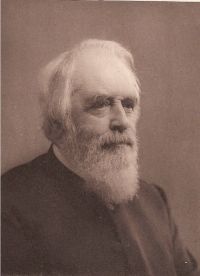
Source: Gutenberg

Adam Clarke,  Commentary and critical notes on the Bible… (1800s)

“ If there ever was a heaven-born minister, it was Samuel; in whose public and private conduct there was no blemish, and whose parallel cannot be found in the ancient or modern history of any country in the universe.
Let ministers of state who have sought for nothing but their own glory, and have increased the public burdens by their improvident expenditure; who have endeavored, by their wordy representations, to dazzle and elude the people, and impose false grandeur in the place of true greatness and solid prosperity; who have oppressed the many, and enriched the worthless few
”
Source: Wikisource

Alexander Gordon,  Dictionary of National Biography… (1887)

“ His agreement in theology with his elder brother may be inferred from his editing Samuel Clarke's sermons and other works, especially his ‘Exposition of the Church Catechism,’ 1730, 8vo. He followed his brother's steps in natural science. Samuel Clarke had translated into Latin, with notes, the ‘Traité de Physique’ (1671) of Jacques Rohault; John Clarke published an English translation from his brother's Latin, with additional notes, under the title, ‘Rohault's System of Natural Philosophy’ &c., 2 vols. 8vo. ”
Source: Wikisource

Get perspective with Kwize: daily news enlightened by great literature