“ But the king covered his face, and the king cried with a loud voice, O my son Absalom, O Absalom, my son, my son! And Joab came into the house to the king, and said, Thou hast shamed this day the faces of all thy servants, which have saved thy life; in that thou lovest thine enemies, and hatest thy friends. For thou hast declared this day, that thou regardest neither princes nor servants: for I perceive, that if Absalom had lived, and all we had died this day, then it had pleased thee well. ”
Absalom
Definition and stakes
Absalom, a biblical figure from 2 Samuel, embodies themes of insurrection, family discord, and tragic aspiration. His story, as recounted in the Bible and analyzed by scholars such as William Garden Blaikie and Herman Joseph Heuser, explores his uprising against King David, fueled by personal grievances and political desire.
Texts such as The Bible for Young People and Poems Teachers Ask For portray his death through moving elegies, while academics like Blaikie investigate his moral struggle and the irony of divine involvement in human affairs. These diverse viewpoints collectively highlight Absalom’s legacy as a symbol of broken allegiance and the repercussions of resistance, framed through both scriptural storytelling and literary insight.
Quotes about “Absalom”
Various, Poems Teachers Ask For, Book Two
“ He bowed his head upon him and broke forth In the resistless eloquence of woe: "Alas! my noble boy; that thou shouldst die! Thou who were made so beautifully fair! That death should settle in thy glorious eye, And leave his stillness in this clustering hair! How could he mark thee for the silent tomb, My proud boy, Absalom! "Cold is thy brow, my son! and I am chill As to my bosom I have tried to press thee! How was I wont to feel my pulses thrill Like a rich harp-string yearning to caress thee, And hear thy sweet 'my father!' from those dumb And cold lips, Absalom! "But death is on thee! ”
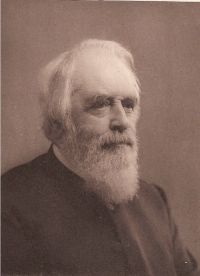 William Garden Blaikie,
The Expositor's Bible: The Second Book of Samuel
William Garden Blaikie,
The Expositor's Bible: The Second Book of Samuel
“ Now that I am king, my name will live without a monument. The success of the revolution was so remarkable, that if Absalom had believed in God, he might have imagined, judging from the way in which everything had fallen out in his favour, that Providence was on his side. But, surely, there must have been a hard constraint and pressure upon his feelings somewhere. Conscience could not be utterly inactive. Fresh efforts to silence it must have been needed from time to time. Amid all the excitement of success, a vague horror must have stolen in on his soul. ”
Related terms
Authors who wrote about “Absalom”
Herman Joseph HeuserDavid WrightWilliam Garden BlaikieTheodore Gerald SoaresMarion D. ShutterAnonymousMatthew HenryCharles Herbert Sylvester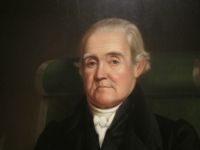 Noah WebsterVarious
 Alexander MaclarenMax Duncker
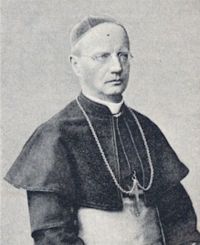 Friedrich Justus KnechtAdam Clarke
 Nathaniel Parker Willis
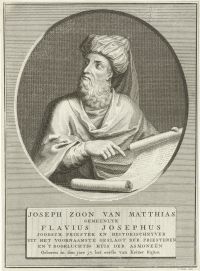 Flavius JosephusWade C. Smith
 Bjørnstjerne Bjørnson
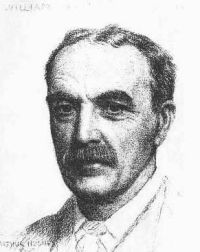 William Hale WhiteJohn Welch
William Garden BlaikieTheodore Gerald SoaresMarion D. ShutterAnonymousMatthew HenryCharles Herbert SylvesterNoah WebsterVariousAlexander MaclarenMax DunckerFriedrich Justus KnechtAdam ClarkeNathaniel Parker WillisFlavius JosephusWade C. SmithBjørnstjerne BjørnsonWilliam Hale WhiteJohn Welch