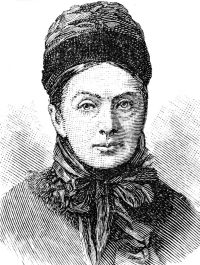
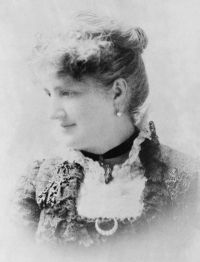
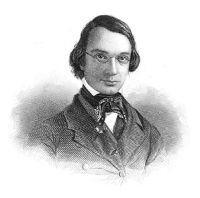
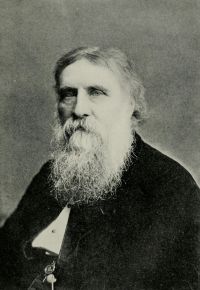
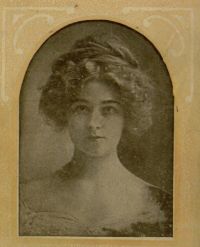
"The Lady of the Lake," a narrative poem by Walter Scott published in 1810, is set in the Scottish Trossachs, where three interwoven storylines unfold: a romantic conflict, a political struggle, and a clan conflict. Scott’s vivid portrayal of Highland landscapes and folklore solidified its influence, giving rise to the Highland Revival. Writers such as Isabella Lucy Bird and Lydia Maria Child later drew upon its imagery, connecting lakes and solitary figures with themes of natural majesty and the supernatural.
At the same time, Scott’s own verses, particularly his evocative depictions of Loch Katrine, highlighted the poem’s blend of romance and historical drama. Its legacy persists not only in literature but also in cultural symbols, from Rossini’s operas to the ceremonial burning of crosses, illustrating its multifaceted influence on 19th-century imagination.