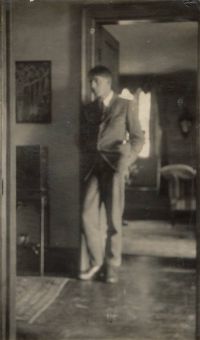
Thomas Urquhart of Cromartie

Definition and stakes

John Willcock Sir Thomas Urquhart of Cromartie…

Logopandecteision, or an INTRODUCTION to the Universal Language. Digested into these Six several Books, Neaudethaumata, Chrestasebeia, Cleronomaporia, Chryseomystes, Neleodicastes, and Philoponauxesis. By Sir Thomas Urquhart of Cromartie, Knight. Now lately contrived and published, both for his own utilie, and that of all pregnant and ingenious Spirits. Credere quaerenti nonne haic justissima res est? Qui non plura cupit, quam ratio ipsa jubet. Englished thus, To grant him his demands, were it not just? Who craves no more, then [than] reason says he must. London.
Source: Gutenberg

John Willcock Sir Thomas Urquhart of Cromartie…

In 1357 he got from the Crown the hereditary sheriffdom of Cromartie, and eight years later the same Hugh Ross gave him the estate of Fisherie, in King-Edward, Aberdeenshire. This Adam is the first of the family to emerge from the darkness of antiquity into the light of history, and probably his name, as the founder of the Urquhart fortunes, suggested the still more famous progenitor to whom our Sir Thomas traced back his pedigree link by link, as our readers will afterwards hear.
Source: Gutenberg

John Willcock Sir Thomas Urquhart of Cromartie…

Sir Thomas Urquhart left his castle of Cromartie, and took part in this expedition, though apparently he held no position of command in the army, and was very much out of sympathy with many of those who journeyed with him. Indeed, his unfortunate prejudices against the Presbyterian and Covenanting party come out in the statement he makes, that many of those who started out to smite "the Midianites and Philistines," when it came to the push, managed to make their way home, "being loth to hazard their precious persons, lest they should seem to trust to the arm of flesh."
Source: Gutenberg

Get perspective with Kwize: daily news enlightened by great literature