Thomas Warham

Definition and stakes

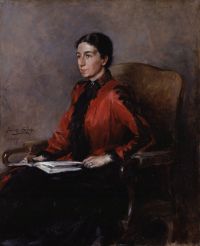
Portrait of James Anthony Froude James Anthony Froude,  History of England (1893)

“ Warham, however, as we shall see, had changed his mind: he declined, on the plea of age, and the office of chancellor was given to Sir Thomas More, perhaps the person least disaffected to the clergy who could have been found among the leading laymen. The substance of power was vested in the Dukes of Norfolk and Suffolk, the great soldier-nobles of the age, and Sir William Fitz-William, lord admiral; to all of whom the ecclesiastical domination had been most intolerable, while they had each of them brilliantly distinguished themselves in the wars with France and Scotland. ”
Source: Wikisource

1911 Encyclopædia Britannica (1911)

“ The town and neighbourhood have been long noted for their lime and cement, and large quantities of potters', pipe, fire and other kinds of clay are sent to Staffordshire and to foreign countries. The borough is under a mayor, 4 aldermen, and 12 councillors. Area 251 acres.
Owing to its situation as a key of Purbeck, the site of Warham (Werham, Warham) has been occupied from early times. The earthworks, of British origin, were modified in almost every successive age. That Wareham was a pre-Saxon town is evident from Assers statement that its British name was Durngueir.
”
Source: Wikisource

1911 Encyclopædia Britannica, Volume 28… (1911)

“ Throughout the divorce proceedings Warham's position was essentially that of an old and weary man. He was named as one of the counsellors to assist the queen, but, fearing to incur the king's displeasure and using his favourite phrase ira principis mors est, he gave her very little help; and he signed the letter to Clement VII. which urged the pope to assent to Henry's wish. Afterwards it was proposed that the archbishop himself should try the case, but this suggestion came to nothing. ”
Source: Wikisource

Get perspective with Kwize: daily news enlightened by great literature