Cottontail rabbit

Definition and stakes

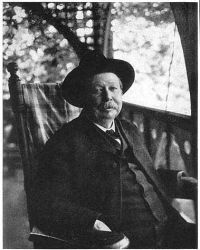
Portrait of Ernest Thompson Seton Ernest Thompson Seton,  Wild Animals I Have Known (1900)

“ Right across the feeding-ground, almost the only good one now in the Stormy Moon, he set a row of snares. A cottontail rabbit, an old friend, cut several of these with his sharp teeth, but some remained, and Redruff, watching a far-off speck that might turn out a hawk, trod right in one of them, and in an instant was jerked into the air to dangle by one foot. Have the wild things no moral or legal rights? What right has man to inflict such long and fearful agony on a fellow-creature, simply because that creature does not speak his language? ”
Source: Wikisource

E. Raymond Hall,  A Synopsis of the North American Lagomorpha

“ A cottontail has shorter ears and shorter hind legs. It allows the enemy to approach more closely than the jack rabbit does before running, and then, although relying in some measure on its running ability for escape, flees to a burrow or thicket for safety from its pursuer. The brush rabbit with ears and hind legs shorter than those of the cottontail seldom if ever ventures farther than 45 feet away from the edge of dense cover. After an enemy is near, the brush rabbit has merely to scamper back into the brush. ”
Source: Gutenberg

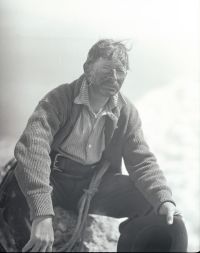
David E. Lantz,  Cottontail Rabbits in Relation to Trees and Farm Crops

“ Shooting is undoubtedly the best method for hunting this animal. Ferreting is often impracticable, since our native rabbits do not habitually burrow; besides, the use of ferrets is forbidden by law in many States that protect the rabbit. Coursing with greyhounds is popular in the West, where the swifter jack rabbits are abundant. Cottontails are often chased with foxhounds, but the beagle is rapidly taking precedence as a favorite for hunting these animals, the gun being used to secure the game. ”
Source: Gutenberg

Get perspective with Kwize: daily news enlightened by great literature