Pir

Definition and stakes

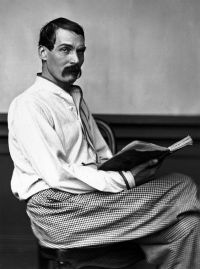
Portrait of Sir Richard Francis Burton Sir Richard Francis Burton,  The Book of the Sword

“ According to Plato, πῦρ (whence pyrites = sulphuret of iron) , ὕδωρ, and κύων are Phrygian words; and evidently they date from the remotest antiquity. Pir (sun-heat) is found even in the Quichua of Peru, and enters into the royal name ‘Pirhua.’ The French and Belgian caverns prove that striking fire by means of pyrites was known to primitive man.
[4] There are still races which are unable to kindle fire. This is asserted of the modern Andamanese by an expert, Mr. H. Man, Journ. Anthrop. Inst. Feb. 1882, p. 272. The same was the case with the quondam aborigines of Tasmania.
”
Source: Gutenberg

James McCrone Douie,  Provincial Geographies of India (1916)

“ The Musalmans have their mosque for the worship of Allah, but were, and are still, not quite sure that it is prudent wholly to neglect the godlings. The conversion of the western Pan jab was the result largely of missionary effort. Piri muridi is a great institution there. Every man should be the "murid" or pupil of some holy man or pir, who combines the functions in the Roman Catholic Church of spiritual director in this world and the saint in heaven. ”
Source: Wikisource

Filipino Popular Tales

“ The Tagalog story of “How Piro became Rich,” which I have not printed here, is identical with “How Suan became Rich,” with this exception, that a horse’s tail, instead of a carabao’s, is pulled off by the hero. And there is this addition: while travelling to the king’s court, Piro hears cries for help coming from the woods. He rushes to the spot, and sees a young lady fighting a swarm of bees. Piro helps kill the bees with his stick, but, in doing so, injures the woman somewhat severely. ”
Source: Gutenberg

Get perspective with Kwize: daily news enlightened by great literature