Signal (military)

Definition and stakes

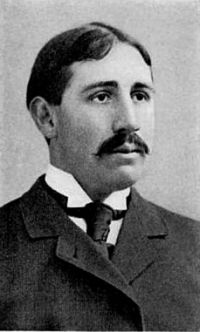
Portrait of Benedict Crowell Benedict Crowell,  America's Munitions 1917-1918

“ Modern warfare has indeed retained the old, but it has also developed the new, in transmitting military tidings. So important is this branch of fighting that it is put in the hands of a specialized organization, which in the American Army is known as the Signal Corps. The Signal Corps not only had charge of the operation of the various communicating devices in 1917 and 1918 in the field of operations (except latterly in the air) , but it also had charge of the manufacture of the equipment for this work. ”
Source: Gutenberg

Various,  Popular Science Monthly (1889)

“ On the military side of his functions, the Chief Signal-Officer records the steps he has taken to secure a suitable heliograph apparatus, the selection of field-glasses for army use, and experiments with homing pigeons. The inadequacy of the present methods to insure instruction in military signaling is lamented, with the declaration that "there is not an average of two officers to a regiment who are competent to transmit signals—by sun, flag, and torch—day and night, except those who have passed through a regular course of instruction in connection with this office." ”
Source: Wikisource

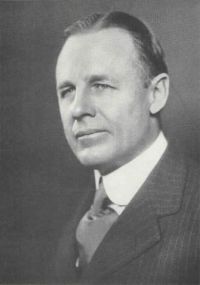
Portrait of H. Irving Hancock H. Irving Hancock,  Uncle Sam's Boys as Sergeants; or…

“ It is really no part of an infantry soldier's duty to learn telegraphy, but he is trained at times in the use of the wig-wag signal flags. In the Army both telegraphy and signaling are work usually performed by members of the Signal Corps. In the case of telegraphy, however, at an infantry post where there is no detachment of Signal Corps men, then the work at the telegraph instruments must necessarily fall upon infantry soldiers, since some of the messages sent and received at a military post cannot be intrusted to men who have not taken the oath. ”
Source: Gutenberg

Get perspective with Kwize: daily news enlightened by great literature