Adelaide W. Smith

Biographical details

Adelaide W. Smith,  Reminiscences of an Army nurse during the Civil War

“ It was a strange, sad sight, this long line of Confederate prisoners, 3,000 strong, officers and men without arms,—​some by habit reaching for the forfeited sword, belt, or gun,—​worn, tired, begrimed figures of despair. They were clothed in every degree of shabbiness, from the dulled tinsel of the uniformed officers, to the worn, faded, ragged grey that they had so confidently donned at the beginning of the war. They were on their way to City Point under guard, many to be forwarded to some Northern camp, where at least their starving bodies would be fed and made comfortable. ”
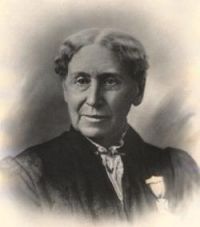
Source: Gutenberg

Adelaide W. Smith,  Reminiscences of an Army nurse during the Civil War

“ Telegrams were slow in those days, so it was not till the afternoon that the terrible, cruel tragedy was announced at the hospital camp. The shock was paralyzing, and a sombre silence spread over the wards containing the men who had learned to love this great soul. Men and women as well as soldiers wept together as for a loved, indulgent father, who had borne his crushing responsibilities without a murmur or a cry for help. A few copperhead patients dared to approve of the murderous act, but they were soon beaten into silence with the crutches of the indignant crippled convalescents. ”
Source: Gutenberg

Adelaide W. Smith,  Reminiscences of an Army nurse during the Civil War

“ General Grant was at City Point, and President Lincoln came down at this time, before our army marched into Richmond. One day both of them were coming slowly down my avenue. The orderly rushed in and cried out—​‘President Lincoln’s coming!’ I was at the extreme end of the hospital tent, but, girl-like, started forward that I might see him. At that instant, oh, such a puny, helpless wail, as of sick and dying infants, issued from every throat: ‘Oh, don’t leave us, Miss! He is a beast! ”
Source: Gutenberg

Get perspective with Kwize: daily news enlightened by great literature